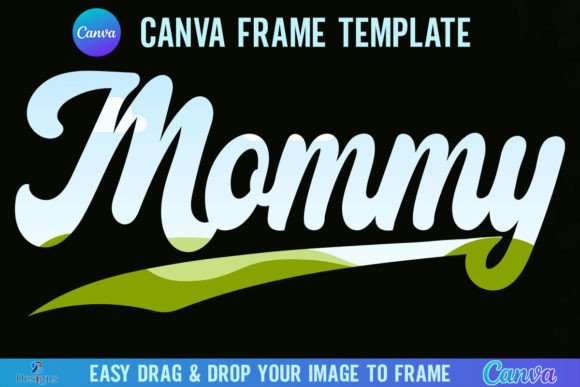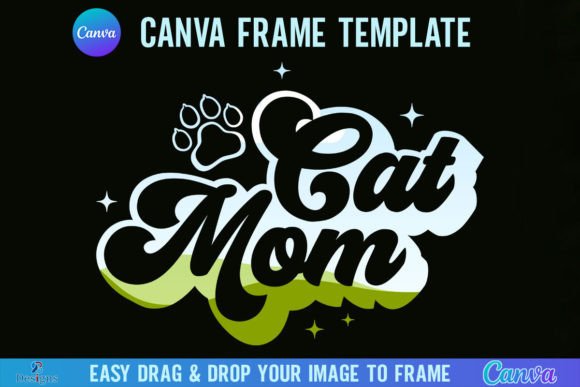
Cat Mom Retro Mama Canva Template Frame
First Impressions: A Nostalgic, Handmade-Feeling Frame—Not Just Another Clipart Box
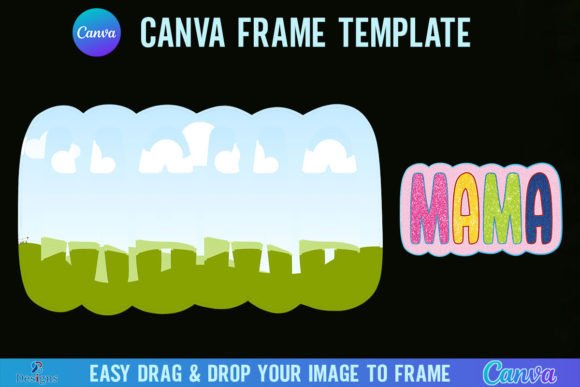
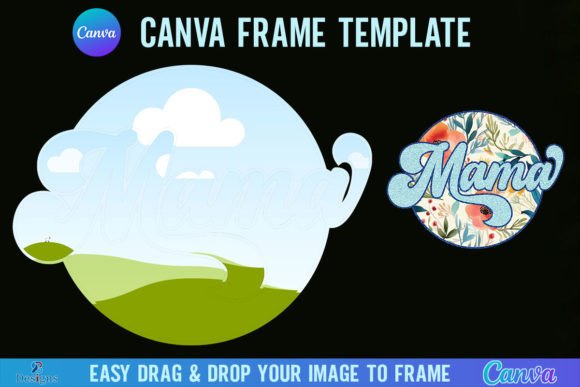
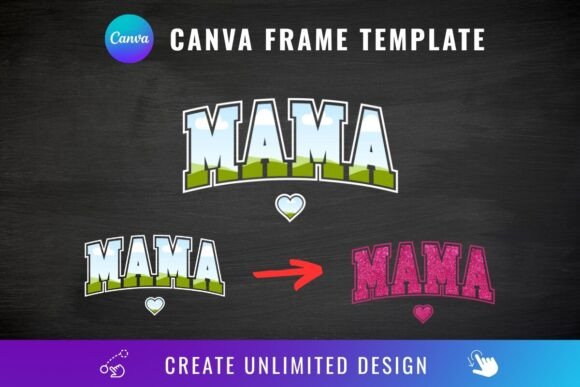
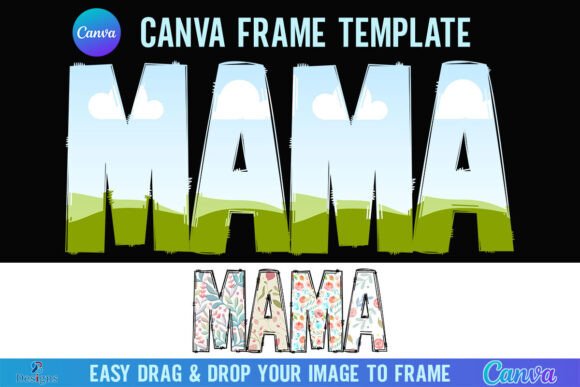
Opening the Cat Mom Retro Mama Canva Template Frame, I didn’t find a machine embroidery design file—but a thoughtful, mood-driven graphic frame built for customization. It’s not pixel-perfect vector art or an over-rendered 3D mockup. Instead, it carries that warm, slightly imperfect charm of 70s greeting cards and vintage iron-on transfers: rounded corners, soft shadowing, hand-drawn-style lettering (“Mama” with a tiny paw print dot), and a subtle retro color palette suggestion (think mustard, sage, and cream—not neon or metallic). As a designer who regularly translates graphics into stitch-ready layouts, my first thought was: This isn’t meant to be stitched as-is—it’s meant to be framed around something real. That “something” is usually a photo, a monogram, a pet portrait, or even a handwritten note on a custom embroidered tote bag or baby onesie.
Where It Shines: Real Projects That Feel Intentional, Not Generic
I tested the Cat Mom Retro Mama Canva Template Frame in a live project: a linen tea towel for a local cat rescue’s holiday fundraiser. We placed a simple black-and-white line drawing of a sleeping calico kitten inside the frame, then printed the final Canva layout onto heat-transfer vinyl for hand-applied applique. The result? Instant personality—no digitizing, no hoop stress, just clean visual hierarchy and emotional resonance. That same frame worked beautifully as a printable mockup for an Etsy listing of custom sweatshirt embroidery: layered over a soft-focus photo of a relaxed mom holding her cat, it gave the digital preview warmth and clarity without competing with the garment texture.
It’s especially strong for products where the *story* matters more than technical precision: nursery wall art (printed + framed), boutique aprons with embroidered center motifs, personalized baby blankets with a small embroidered name inside the frame, or even embroidered patches where the frame becomes part of the border treatment. For Etsy sellers, this isn’t filler—it’s branding glue. It quietly tells customers, “This isn’t mass-produced. This is chosen, curated, made with care.”
Where to Pause—And Why Fabric & Function Matter More Than Aesthetics Alone
Let’s be clear: the Cat Mom Retro Mama Canva Template Frame is a graphic asset—not a ready-to-stitch embroidery file. That means if you’re planning to convert it into a machine embroidery design, every curve, corner, and letter must be reinterpreted for stitch behavior. Thin lines won’t hold up as satin stitch on terry cloth towels. Dense fill areas may pucker on lightweight cotton baby onesies. And that charmingly uneven “retro” outline? It’ll need careful simplification before running on a commercial embroidery machine—especially for caps or curved surfaces where registration shifts easily.
I’d avoid using it directly on stretchy knits (like ribbed baby bodysuits) without significant stabilization testing. On dark fabric, the light-colored inner frame elements may need contrast adjustment in Canva before exporting—don’t assume what looks soft on screen will read clearly after stitching. And if your small shop sells embroidered patches, remember: this frame works best when treated as a *layout guide*, not a stitch map. Use it to position your core motif, then digitize that motif separately with appropriate underlay, pull compensation, and jump stitch management.
Design Notes You’ll Actually Use—From One Embroiderer to Another
- Always test on scrap fabric first—especially if layering it over another embroidered element (e.g., a cat silhouette inside the frame).
- Check thread color contrast early: the retro palette suggests muted tones, but your customer’s favorite sweatshirt might be charcoal grey—verify legibility in both light and dark mockups.
- Review stitch density assumptions: if converting to embroidery, avoid turning decorative flourishes into dense fill stitches—they’ll add bulk and stiffness to delicate items like pillow covers or baby hats.
- Confirm hoop size compatibility: the frame’s proportions work best at 4x4" or larger; scaling down risks losing the gentle rhythm of its spacing and negative space.
- Inspect small details: that tiny paw-print period? It’s adorable—but at 2mm tall, it may vanish in satin stitch unless enlarged or converted to a single running stitch accent.
- Use proper stabilizer: tear-away for stable wovens, cut-away for knits, and lightweight fusible for lightweight linens—this frame’s charm depends on clean edges, not wobble.
- Verify licensing before selling finished products: since this is delivered via Canva link, check whether your intended use (e.g., embroidered tote bags sold on Etsy) falls within the included license—or requires upgrade.
Why This Frame Builds Trust—Not Just Traffic
In a market flooded with generic “cat lover” SVGs and overused paw-print bundles, the Cat Mom Retro Mama Canva Template Frame stands out by embracing restraint. It doesn’t shout. It invites. That makes it unusually effective for handmade presentation: customers don’t just see a design—they recognize intention. When used well—on a kitchen towel gifted to a new cat mom, or as part of a cohesive boutique collection—it reinforces professionalism, not craftiness. It supports brand consistency because it’s flexible (swap fonts, adjust colors, reposition photos) yet unmistakably *of a piece*. And for creative entrepreneurs building long-term shops? That kind of quiet cohesion converts browsers into repeat buyers.
Final Thought: A Frame Is Only as Strong as What It Holds
The Cat Mom Retro Mama Canva Template Frame won’t replace your digitizing software or your favorite embroidery font—but it might just become your go-to tool for elevating everyday projects from “nice” to “meaningful.” Use it to center a child’s doodle on a backpack, highlight a rescue cat’s name on a bandana, or soften the formality of a wedding gift towel. Just remember: its power lies in context, not complexity. Keep your stitches clean, your stabilizer honest, and your focus on the person holding the finished product—not just the pixels on screen.