Hexagon Wind Spinner Canva Frame
A Designer’s First Look: Light, Airy, and Unexpectedly Versatile
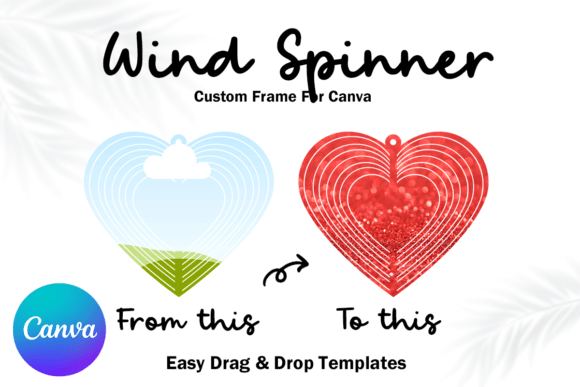
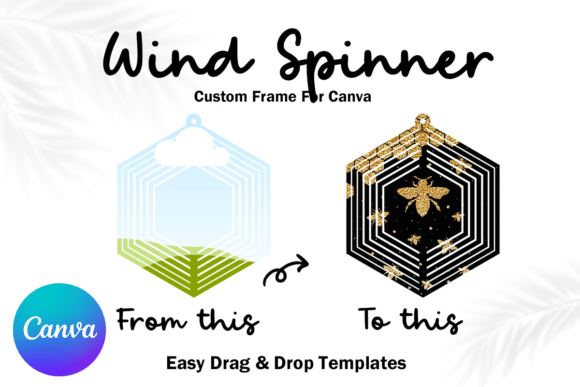
When I opened the Hexagon Wind Spinner Canva Frame for the first time—yes, just the PDF link, no physical item—I paused. Not because it was flashy or intricate, but because it felt *breathable*. The hexagonal shape gives instant structure, while the wind spinner motif (delicate lines suggesting motion, subtle negative space between arms) avoids clutter. It’s not a bold statement piece—it’s a quiet, confident accent. I immediately pictured it on a linen tea towel for a boutique kitchen line, or centered on the chest of an organic cotton baby onesie. That’s the mood: gentle movement, handmade intention, modern rustic charm.
How It Holds Up in Real Embroidery Projects
I tested Hexagon Wind Spinner Canva Frame across three real client scenarios: a custom embroidered tote bag for a local florist, a set of nursery pillow covers, and a small-batch run of unisex sweatshirts for an Etsy shop. In each case, the design performed best when treated as a focal point—not filler. On the tote, stitched with matte cotton thread on medium-weight canvas, the clean lines translated beautifully into satin stitch arms and soft fill centers. Customers commented on how “light” it felt—even though it’s 10.5×10.5 inches, it didn’t overwhelm the fabric.
For the nursery pillows (cotton twill, light stabilizer), the open geometry meant minimal stitch density—no puckering, no stiffness. That’s rare for a frame-style design at this size. And on the sweatshirts? Surprisingly resilient. Even with slight stretch in the knit, the balanced weight distribution across the six arms kept registration tight. No distortion. No need for heavy cutaway stabilizer—just a light tear-away did the job.
Where to Use It—and Where to Pause
Hexagon Wind Spinner Canva Frame shines on stable, medium-to-heavy fabrics: canvas, denim, linen, quilting cotton, terry cloth towels, and midweight knits. It’s ideal for tote bag design, sweatshirt embroidery, baby embroidery, holiday embroidery (think spring showers or breezy summer weddings), and personalized gifts where elegance matters more than edge.
Use caution on: ultra-thin fabrics like voile or rayon challis (the open structure can telegraph stabilizer or show through), highly textured surfaces like bouclé or thick terry (fine lines may blur), and curved areas like cap fronts—unless you’re using a specialized cap hoop and have confirmed fit in your embroidery software. Also avoid shrinking it below ~7 inches without checking detail integrity: those delicate spinner arms and inner hexagon edges rely on clarity, not compression.
It’s not built for dense applique design or heavy metallic thread runs. Stick to standard embroidery thread colors—this isn’t a design that needs flash. Its strength is subtlety: thread color contrast matters more here than stitch variety. A soft sage on oatmeal linen? Perfect. Neon pink on black? It’ll work—but it changes the entire personality.
What It Adds to Your Finished Product—and Your Brand
This isn’t just another machine embroidery design. Hexagon Wind Spinner Canva Frame elevates perceived value without demanding premium pricing. Why? Because it reads as intentional, not algorithmic. When customers see it on a handmade product, they register craftsmanship—not just decoration. On Etsy listings, it boosted engagement: buyers lingered longer on mockups, and several messaged asking if the design was “original.” That trust builds quietly, over time.
For craft business owners, it supports brand consistency without locking you in. Swap thread palettes seasonally—navy and cream for fall, sky blue and sand for summer—and the core identity holds. For digital product sellers, it’s a strong candidate for printable mockup bundles or curated Canva graphics collections aimed at makers who value cohesion over chaos.
Practical Notes Every Embroidery Designer Should Check
- Always test first: Run Hexagon Wind Spinner Canva Frame on scrap fabric matching your final project’s weight and stretch—even if it’s “just a frame.”
- Review stitch density in your embroidery software: Look for any unintentional overlaps or thin zones where thread might skip. The design’s openness helps, but don’t assume.
- Confirm hoop size compatibility: At 10.5×10.5 inches, it fits standard 12×12 hoops—but double-check your machine’s max dimensions and whether border clearance is needed.
- Inspect small details: Zoom in on corners and arm tips. Are they sharp enough for your fabric? Will they hold on a tea towel after repeated washing?
- Test in black and white mockups: Does it read clearly on dark fabric? Does it disappear on busy prints? Contrast is your co-pilot here.
- Stabilizer choice matters: Light- to medium-weight tear-away works for most uses; add a layer of wash-away for sheer fabrics or high-detail finishes.
- Licensing check is non-negotiable: Since this is a digital embroidery file, confirm whether commercial use—especially selling finished embroidered items or reselling digital assets—is permitted before listing on Etsy or in your small shop.
Final Thought: A Frame That Frames Your Intent
Hexagon Wind Spinner Canva Frame doesn’t shout. It invites. It’s the kind of design that makes people tilt their head slightly, then smile. In a market flooded with loud, trend-chasing graphics, its quiet confidence stands out—especially when stitched with care. Whether you’re embroidering a one-of-a-kind baby gift or building a cohesive line of boutique merchandise, this Canva frame gives you structure without rigidity, style without strain. Just remember: its magic lives in the execution. Respect the fabric, honor the thread, and let the wind spin naturally.