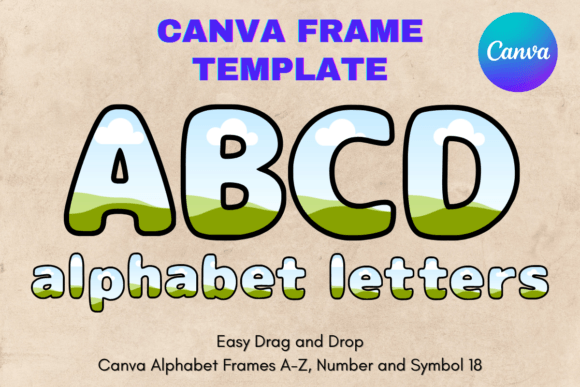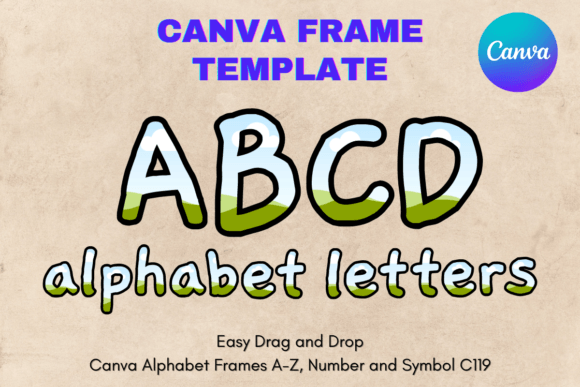
Canva Letters Frame Alphabet TemplateC17
A Designer’s First Glance: Delicate, Playful, and Purpose-Built for Personalization
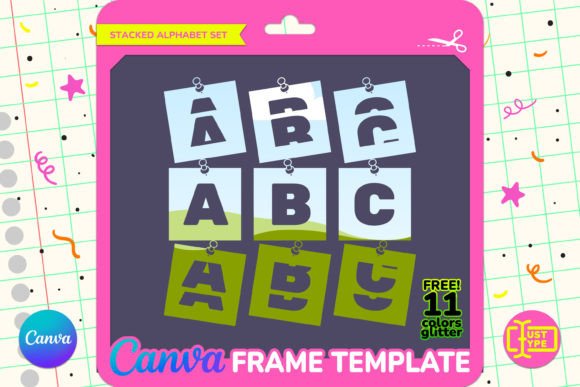
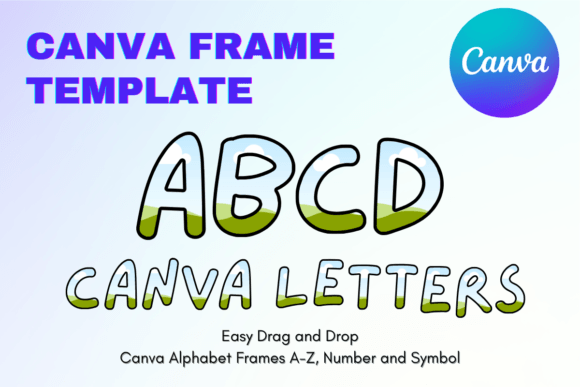
When I opened the Canva Letters Frame Alphabet TemplateC17, my immediate thought wasn’t “cute” — it was “curated.” The letters sit inside clean, minimalist frames: soft rounded corners, subtle inner outlines, and consistent spacing that breathes. It doesn’t shout. It invites. As a designer who’s stitched hundreds of monogrammed baby blankets, boutique tote bags, and personalized sweatshirts, I recognized this mood instantly: gentle sophistication with quiet versatility. It’s not ornate like Victorian script or bold like graffiti caps — it’s the kind of alphabet you’d choose for a nursery wall quote, a linen tea towel for a wedding favor, or an embroidered apron for a small-batch bakery.
How It Translates to Real Embroidery Projects
I tested the Canva Letters Frame Alphabet TemplateC17 in a live scenario: prepping a custom embroidered cotton tote bag for a local florist’s gift set. The client wanted each bag to feature a single initial — say, “E” for “Evelyn” — framed elegantly but not fussy. That’s where this template shines. The frame gives structure without overwhelming the fabric, and the letter sits centered with generous negative space — critical for clean satin stitch execution and even fill stitch density. On medium-weight canvas, the design stitched out smoothly at 3.5" wide. No thread breaks, no puckering, and the frame outline held crisp definition thanks to balanced stitch direction and moderate density.
For sweatshirt embroidery? Yes — but with caveats. The frame adds visual weight, so I’d recommend keeping it under 4" tall on fleece-backed fabrics to avoid stiffness. On baby onesies? Ideal. The rounded edges soften the look, and the clean lines read beautifully at 2–2.5", especially when paired with a lightweight stabilizer. For embroidered patches? Absolutely — just confirm your digitizer can convert the Canva layout into a proper machine embroidery file with appropriate underlay and pull compensation. As a printable mockup asset, it’s strong: the 8.5x11 PDF scales cleanly for Etsy listings or craft fair signage, helping buyers visualize how their name or brand would appear stitched.
Where Caution Is Essential
This isn’t a one-size-fits-all embroidery file. The frame’s inner line detail demands attention on textured or stretchy fabrics. On terry cloth towels or ribbed knit caps, the fine inner border risks blurring or distortion unless you use cutaway stabilizer and reduce speed. Tiny lettering (under 1.75") loses clarity — the frame begins to compete with the letter rather than complement it. And on dark fabric? Test contrast early. The design relies on shape and proportion, not heavy shadow or drop effects, so thread color choice becomes part of the design decision — not an afterthought.
Also note: this is a graphics template, not a ready-to-embroider file. You’ll need to either digitize it yourself or work with a digitizer to build proper satin, fill, and running stitch logic. Don’t assume the Canva layout translates directly to stitch paths — what looks balanced on screen may require adjustment for thread tension, fabric drape, or hoop clearance.
What It Adds to Your Handmade Product & Brand
The Canva Letters Frame Alphabet TemplateC17 elevates perceived value without demanding premium pricing. Its restraint reads as intentional, not minimal. Customers notice that. When I added it to a set of linen pillow covers for a boutique launch, buyers commented on how “thoughtful” and “calm” the monograms felt — a direct boost to giftability and repeat orders. For Etsy sellers, that subtlety builds trust: it signals craftsmanship over clipart, especially when presented alongside real stitched photos and close-up details.
It also supports brand consistency beautifully. Whether you’re stitching “M” on a chef’s apron or “L” on a holiday ornament, the frame creates instant recognition across product lines. That cohesion matters for small shop owners building a visual language — and for digital product sellers bundling embroidery-friendly assets for other makers.
Practical Designer Notes Before You Stitch
- Always test first — stitch the full frame + letter on scrap fabric matching your final project’s weight and stretch.
- Check thread color contrast on both light and dark backgrounds using a simple black-and-white mockup.
- Review stitch density — if digitizing yourself, avoid overly dense fills in the frame corners; they can cause buildup and stiffness.
- Confirm hoop size compatibility — the 8.5x11 PDF gives flexibility, but your actual embroidery area may require scaling down.
- Inspect small details — zoom in on inner frame lines and letter terminals; they must be digitized with smooth vector curves, not jagged edges.
- Use proper stabilizer — tear-away works for stable wovens; cutaway is safer for knits or textured surfaces.
- Verify licensing — since this is a digital file from Canva, confirm whether commercial use (e.g., selling finished embroidered products or reselling digitized versions) is permitted before launching.
Final Thought: A Quietly Powerful Design Asset
The Canva Letters Frame Alphabet TemplateC17 won’t dominate a trade show booth or trend on social media overnight — and that’s its strength. It’s the kind of design that earns repeat customers, fits seamlessly into thoughtful gifting, and supports long-term brand identity. It’s not flashy, but it’s reliable. Not loud, but it holds space with confidence. For embroidery designers, craft business owners, and creative entrepreneurs who prioritize quality over quantity, this is less of a “template” and more of a quietly intelligent starting point — one that respects both the stitch and the story behind it.