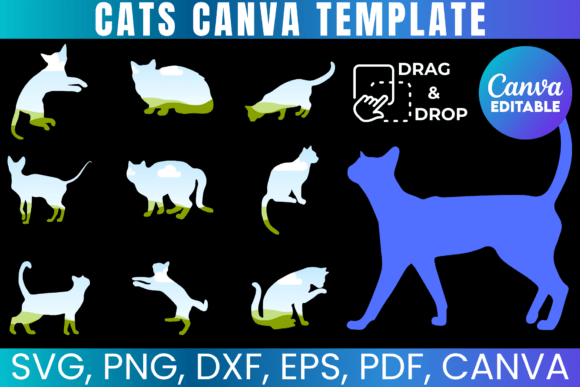
20 Cat Canva Frames Template: Graphics for Playful Canva Projects
As a graphic designer who’s built brand identities for handmade businesses, launched seasonal Etsy collections, and crafted social media visuals for pet-friendly boutiques, I recently evaluated the 20 Cat Canva Frames Template for a real client project: a spring-themed “Cat & Craft” pop-up event for a local artisan collective. My goal wasn’t just to see if it looked cute — it was to assess whether this design bundle could elevate professional deliverables without compromising clarity, consistency, or commercial viability.
A First Impression That Feels Intentional, Not Just Cutesy
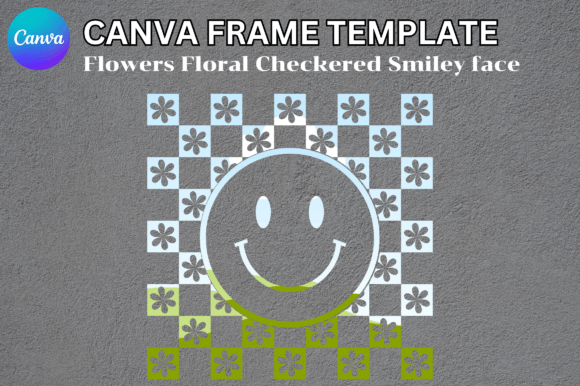
The moment I opened the 20 Cat Canva Frames Template, I noticed how consistently the illustrations balance charm with structure. These aren’t random clipart cats — they’re stylized, confident, and intentionally spaced. Each frame features clean outlines, balanced negative space, and subtle texture cues (like soft watercolor edges or gentle line weight variation) that suggest thoughtful illustration, not auto-traced doodles. The mood is warm, approachable, and gently nostalgic — think indie bookstore meets cozy cat café. It fits best with clients whose voice is friendly, handmade, and emotionally resonant: small-batch candle makers, botanical tea brands, greeting card studios, or print-on-demand sellers building themed digital product suites.
Where It Shines in Real Client Work
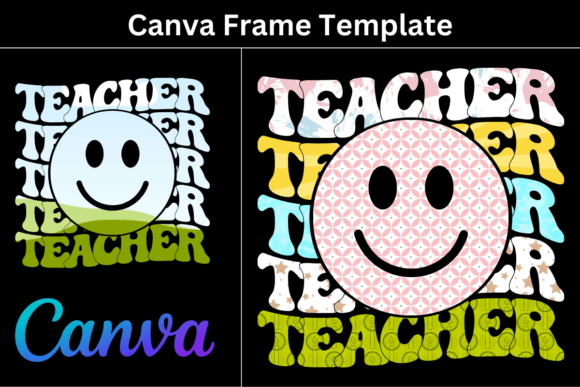
In my client’s event campaign, the 20 Cat Canva Frames Template became a unifying visual thread across multiple touchpoints. We used three frames as decorative borders for Instagram carousel posts announcing vendor highlights — the rounded corners and soft inner margins kept text legible while adding instant personality. Two others served as custom product mockups for ceramic mugs and cotton tote bags, where the editable layers in Canva let us adjust color palettes to match the client’s sage-and-cream brand palette. For printable wall art sold at the event, we layered SVG versions over hand-lettered quotes — the crisp transparency preserved sharp edges at 300 DPI prints.
It also performed well in packaging design: one frame wrapped elegantly around a kraft paper sticker sheet, acting as both border and branding anchor. As a creative design asset, it supported social media graphics, printable design, product mockup development, and even Cricut project prep — especially when exported as PNGs with alpha channels for vinyl cutting alignment.
Strategic Use Cases: Layout, Scale, and Context
This design bundle excels in medium-to-large layout areas: hero banners, poster headers, invitation accents, and digital ad backgrounds. Its strength lies in thematic cohesion — not standalone complexity. Use it to reinforce a concept (e.g., “kitten-themed baby shower”), unify a collection (“12 Days of Catmas” printable set), or soften a product label without overwhelming it.
It works beautifully as a sticker design base, a t-shirt design focal point (especially on light fabrics), or a decorative element in editorial design for pet blogs or craft magazines. When paired with sans serif fonts like Inter or Poppins, hierarchy stays clear; with script fonts, it adds whimsy without visual competition.
Where Caution Is Required
Don’t reach for the 20 Cat Canva Frames Template when your project demands austerity. It’s not suited for corporate reports, law firm branding, medical infographics, or minimalist luxury packaging. On crowded layouts — say, a dense flyer with five callouts — these frames can muddy visual hierarchy. At under 120px width, detail loss becomes noticeable; some whiskers and inner linework blur. Avoid placing them over busy photos or low-contrast gradients unless you manually adjust layer opacity or add drop shadows in Canva.
Also, skip it for logo design or primary brand identity systems — these frames are supporting actors, not protagonists. They enhance but don’t define.
Designer Notes You Can’t Skip Before Client Use
Before dropping any frame into a live project, I always run these checks:
- Test in black and white — ensures line integrity holds without color crutches.
- Preview on light AND dark backgrounds — confirms transparency behaves as expected (no hidden white fill).
- Scale it down to 80px and up to 2000px — validates SVG scalability and PNG resolution limits.
- Drop it onto real product mockups — reveals how proportions interact with curvature (e.g., mug wrap distortion).
- Print a test sheet on your target stock — checks ink bleed, edge sharpness, and halftone rendering.
- Inspect file formats — confirm PNGs have true alpha transparency and SVGs retain editable paths (not rasterized groups).
- Compare font pairings — try serif (Lora), sans serif (Montserrat), script (Dancing Script), and display (Bebas Neue) to gauge contrast and tone alignment.
- Verify commercial license terms — especially for print-on-demand, Etsy product, and sublimation design use. This graphic design asset must permit derivative works and resale.
Final Verdict: A Reliable Asset for Human-Centered Design
The 20 Cat Canva Frames Template isn’t revolutionary — but it’s reliably effective. As a digital product, it saves hours of custom illustration time without sacrificing warmth or polish. It supports small business branding by offering instant visual cohesion, helps content creators maintain consistent tone across platforms, and gives crafters and Cricut users versatile, production-ready elements. When used with intention — matched to audience, scaled appropriately, and licensed correctly — it strengthens emotional appeal, boosts audience engagement, and quietly elevates perceived professionalism.
For the “Cat & Craft” pop-up? We shipped final files with four frames deployed across posters, digital ads, printable thank-you cards, and merch mockups. The client reported higher dwell time on social posts and stronger in-person photo sharing — proof that well-chosen design assets don’t just look good. They work.